

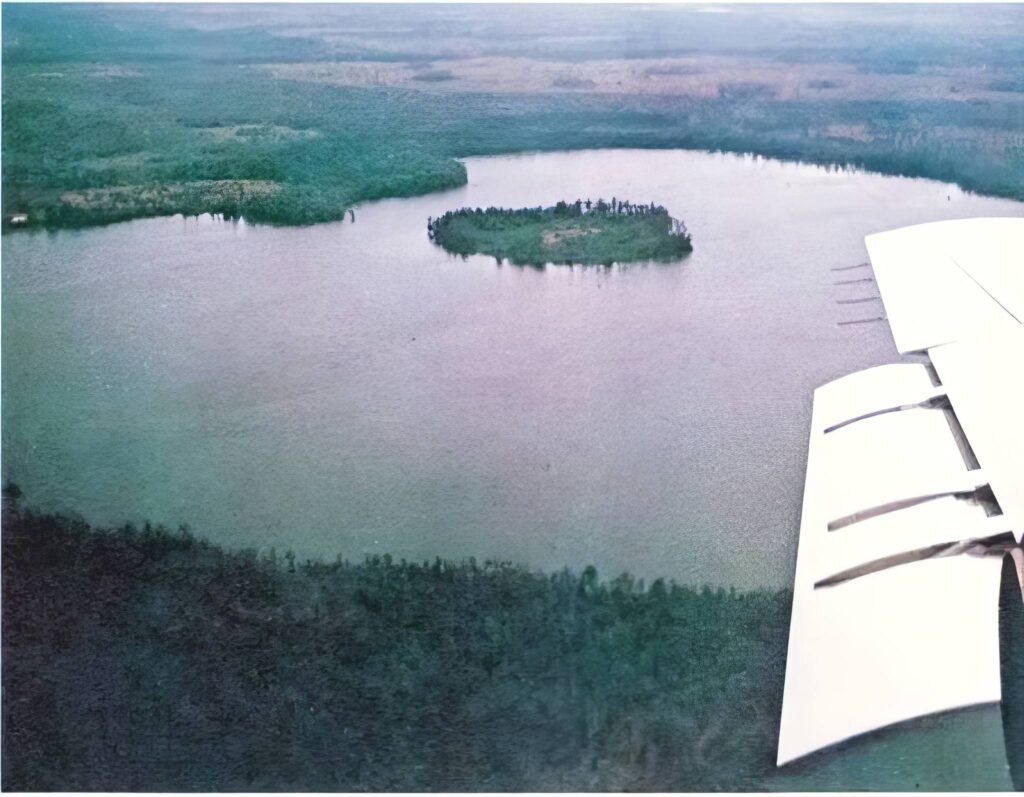
Did Discovery Island in Bay Lake at Walt Disney World influence Walt Disney’s decision to select the Central Florida property we know today? In 1963, while flying over Bay Lake, Walt Disney was captivated by a delightful island located in the center of this lake. This moment inspired his vision for what would eventually become one of the world’s most beloved family vacation destinations: Walt Disney World.
Although the land surrounding the island was swampy, Disney saw immense potential and envisioned it as the perfect canvas for his ambitious dreams. However, the story of this island in Central Florida actually began nearly half a century earlier, in the 1880s.
Source: Click Orlando
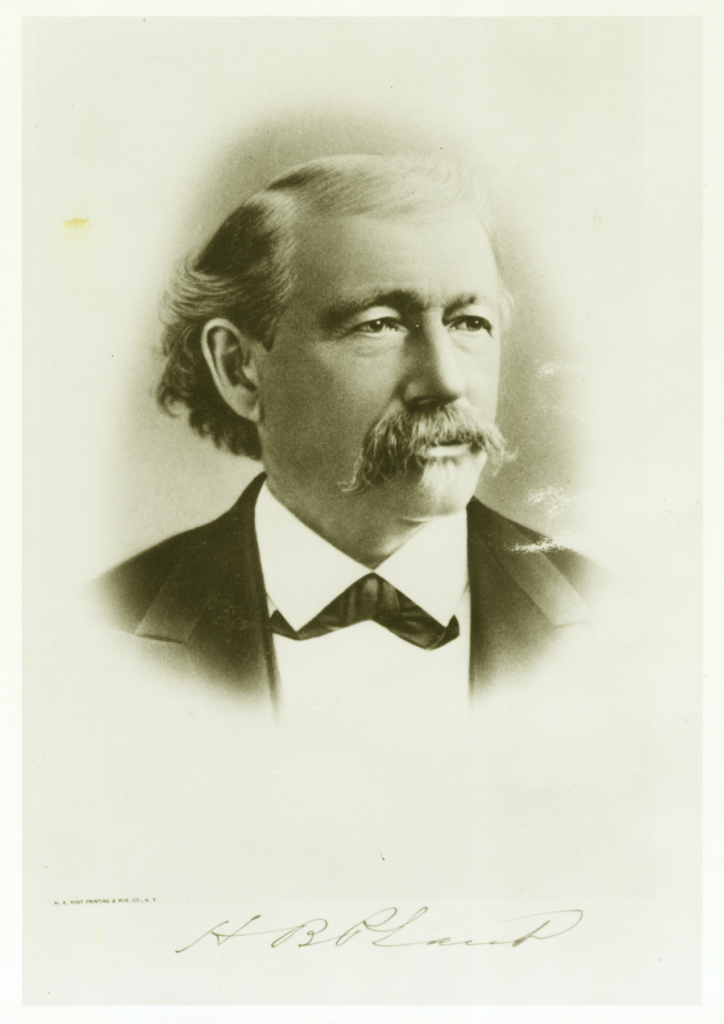
The story of this island begins in 1884 when it was first owned by Henry B. Plant, a prominent figure in the Plant Investment Company known for his significant contributions to the development of Florida’s infrastructure and tourism. A couple years earlier, Plant established the Plant Investment Company in Sanford, Florida. With backing from investors Henry Flagler, M.K. Jesup, and W.T. Walters, he acquired rail lines and expanded tracks into the central and western parts of Florida.
Plant City, FL is also named after Henry B. Plant. Plant’s vision for the area was ambitious, and his ownership marked the beginning of the island’s journey through various hands.
Source: Henry B. Plant Museum
Just a few years later, in 1887, the island transitioned to the possession of a gentleman named Charles Lackey. Lackey’s tenure was relatively brief, as he sold the property to Peter Keen in 1903. Keen’s ownership, although short-lived, was a pivotal point in the island’s narrative as it set the stage for further changes in ownership.
From Riles Island To Discovery Island
In 1906, Peter Keen sold the island to Joel Riles. Riles, however, faced difficulties in his ownership, particularly concerning tax payments. By 1914, Riles had fallen behind, and in 1915, the property was sold from the State of Florida to a new owner, W.H. Reams, during a tax sale. Unfortunately for Reams, complications arose during this transition, causing a significant delay; he did not officially receive the deed to the island until 1918, three years after the initial tax sale.
During the period between 1915 and 1918, a twist of fate occurred. Joel Riles, seemingly oblivious to the fact that he no longer owned the property, proceeded to “sell” the island to Jim Geer and his wife, Susan, in 1917. This transaction created a complex web of confusion, as neither Riles, the Geers, nor the office managing land records had any awareness that the island had technically passed to W.H. Reams. This almost comical series of misunderstandings illustrated the chaotic nature of property transactions during this era, coupled with the lack of efficient record-keeping practices.
The Geers, who believed they had legitimately purchased the island, must have faced considerable shock upon learning of the true ownership status when W.H. Reams finally asserted his rights to the property. Compounding their misfortune, it is likely that the Geers did not receive a refund for their “illegitimate” purchase. Despite this, they would not be deterred. Demonstrating remarkable perseverance and resourcefulness, the Geers eventually approached Reams with an offer. In 1919, after what must have been a series of negotiations, they successfully acquired the island, finally establishing their rightful claim to the land.
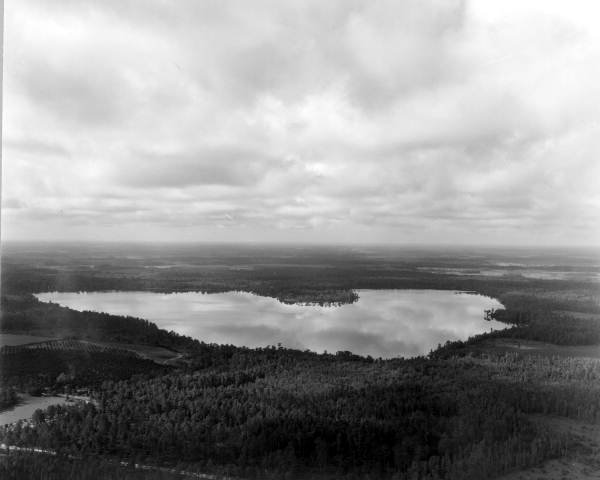
W.H. Reams was a notable figure in the history of Central Florida, and his contributions to the community have not gone unnoticed. After a career in local governance, he eventually rose to become Mayor of Winter Garden. His leadership played a significant role in shaping the town during a period of rapid growth and development. Interestingly, the road that runs alongside Walt Disney World is likely named in his honor, serving as a lasting tribute to his influence in the area. This connection to one of the most famous entertainment destinations in the world adds an intriguing layer to Reams’ legacy, intertwining local history with major cultural landmarks.
Source: State Archives of Florida
In 1920, the Geers transferred the property to a family member, F.A. Geer. Four years later, in 1924, F.A. Geer sold the island to F.A. Rollins. However, like his predecessors, F.A. Rollins faced difficulties in meeting his tax obligations. As a result, the property was sold again by the State of Florida due to tax delinquency in 1927. This time, the buyer was Susan Geer, the widow of the late Jim Geer.
Why Susan Geer repurchased the property remains unknown, but it’s likely they wanted to keep the island in the family.
Delmar “Radio Nick” Nicholson: The Second Most Famous Owner Of The Island
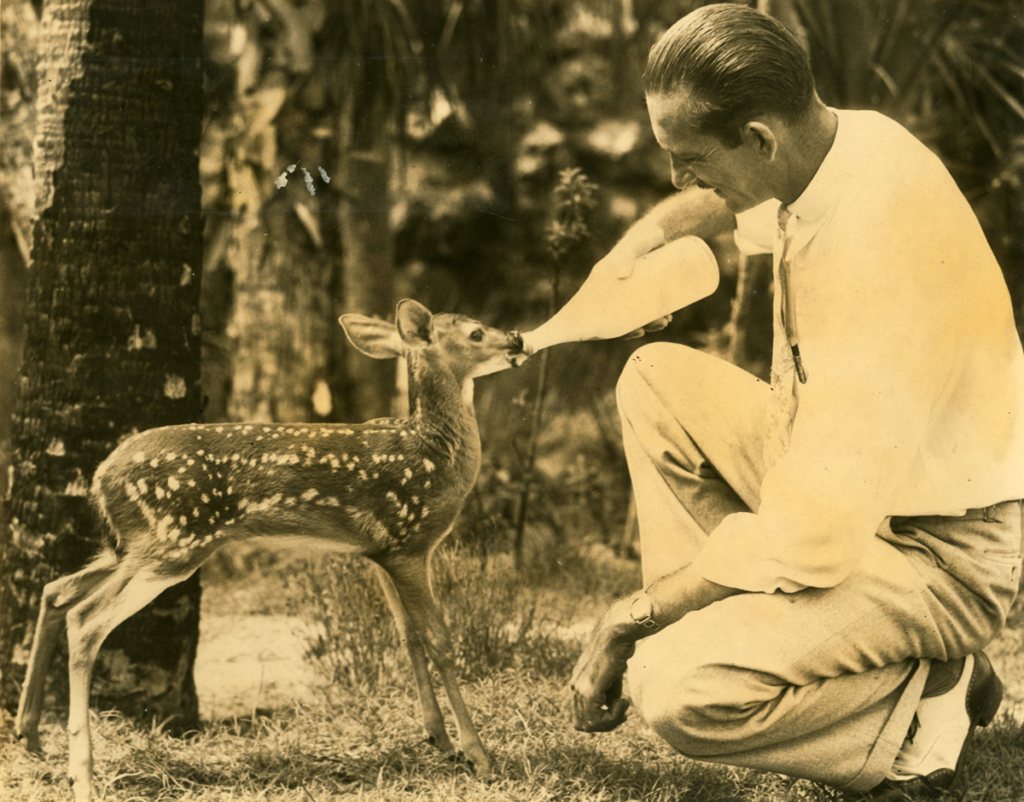
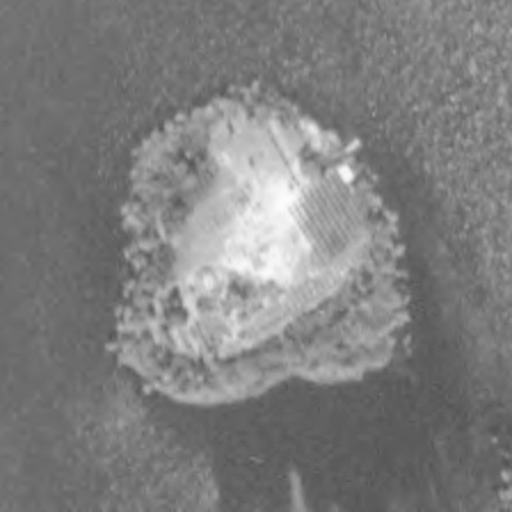
Susan Geer, determined to maintain her family’s legacy on the island, carefully managed the property until 1937 when she decided to sell it to a notable figure in the area, Delmar “Radio Nick” Nicholson. Nicholson was quite well-known for his contributions to local radio, and he had a vision for the island that extended beyond mere ownership. Upon purchasing the property, he took the initiative to rename it “Idyl Bay Isle,” a designation that was carefully chosen to evoke a sense of leisure and tranquility.
Source: Orange County Regional History Center
Source: RetroWDW
Nicholson became well-known for his business selling and repairing radios, while also working as a DJ at a local radio station in Orlando. He was also deeply passionate about animal care and conservation. In addition to his work with radios, he successfully grew limes and mangoes, which was quite unusual for that area of Florida. Below are some newspaper articles that highlight Nicholson’s effective techniques for growing limes and mangoes.
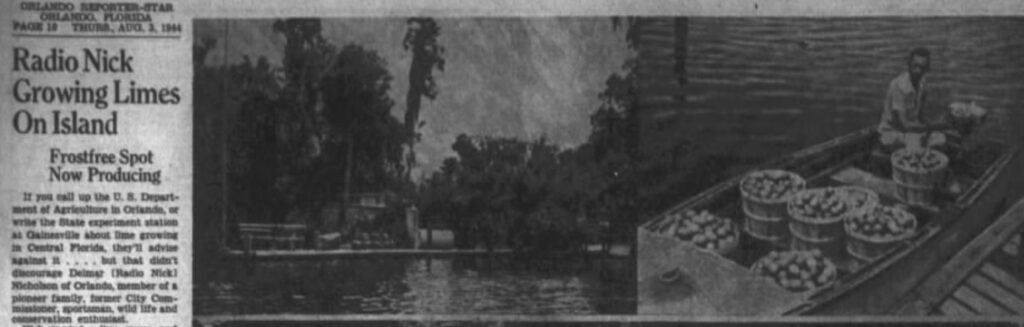
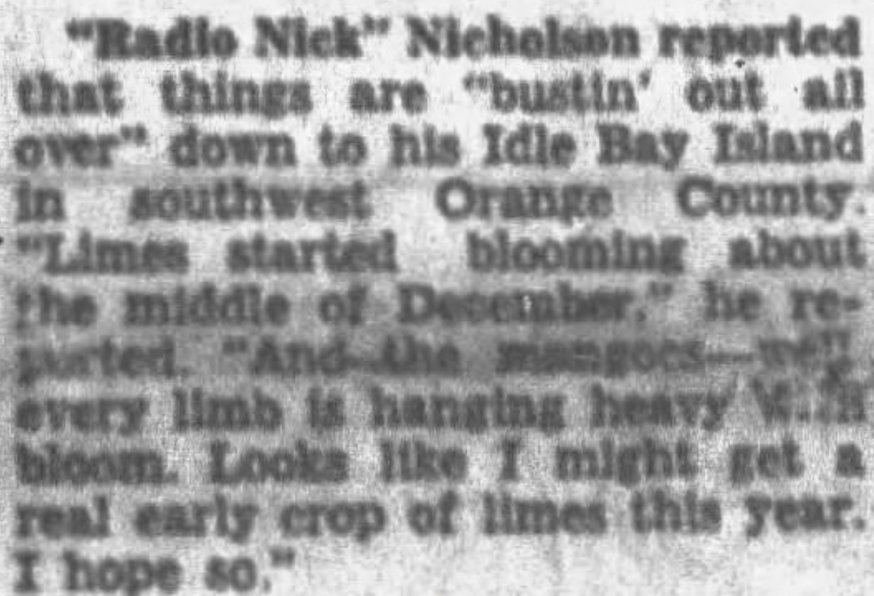
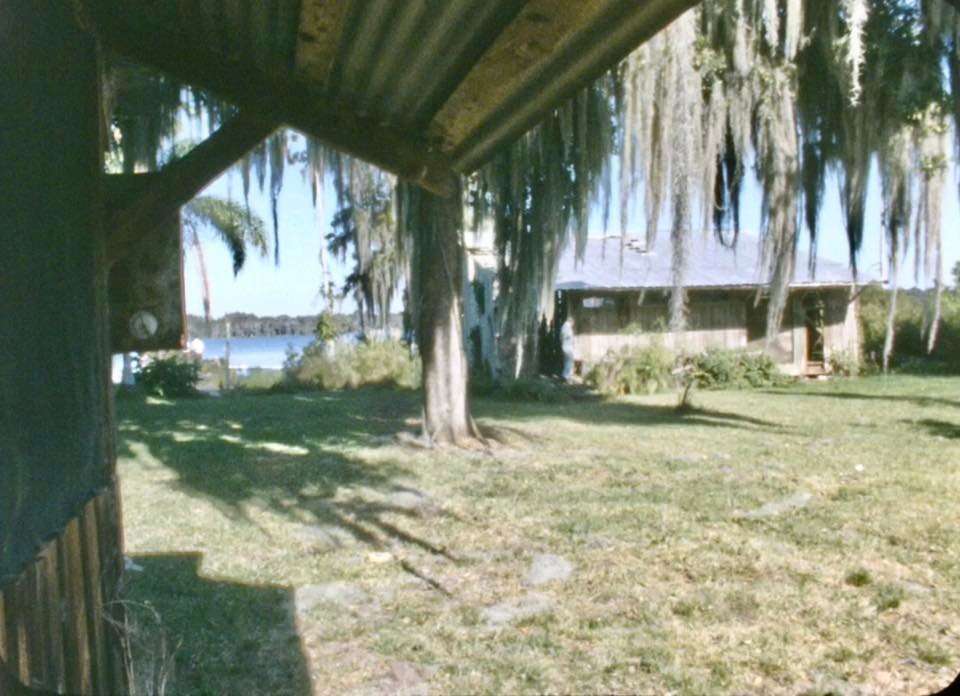
Under Nicholson’s ownership, the property included not only the island itself but also additional land along the shores of Bay Lake. However, Nicholson later decided to sell a portion of his land – excluding the island – to his friend Edward Vrabeck, who eventually built a cabin on the shore. Vrabeck owned the cabin and the surrounding shoreline property until September 1964, when it was sold to Disney (via attorney Paul Helliwell).
Source: Imagineer Tom K. Morris
As time went on, in 1949, Nicholson eventually sold the island and the remaining land to his close friends, H.D. and Flora Thomason. The Thomasons were well-respected in the community and took pride in their stewardship of the property. Nicholson, meanwhile, continued to enjoy the island lifestyle, residing there until 1952 before ultimately moving on. His connection to the island remained strong, even after his departure.
In a notable turn of events in 1955, the Thomasons decided to sell the island to the Bay Isle Club, a collective of local businessmen who had ambitions for the development and enhancement of the area. This new ownership group likely saw potential for the island to be a retreat for leisure and relaxation, which aligned perfectly with the original spirit of Idyl Bay Isle. It is presumed that the club, in homage to the island’s historical roots, reverted the name back to its original designation – Riles Island – respecting the legacy that had come before them while also pursuing their vision for the island’s future.
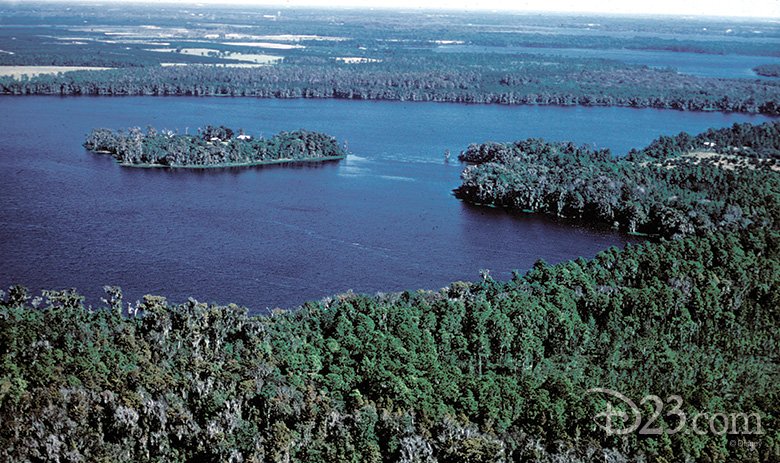
Source: Disney
In 1965, after strategic negotiations, Disney (via attorney Paul Helliwell) acquired the island from the Bay Isle Club. Upon purchasing the island, Disney initially named it Blackbeard’s Island, a nod to the adventurous spirit of pirates and treasure hunting that permeates maritime folklore. The name may also have been derived from the upcoming 1968 feature film, “Blackbeard’s Ghost.” The island, with its mysterious allure, was destined to become a part of the larger narrative that Disney was crafting for his new World, where fantasy and reality would seamlessly intertwine.
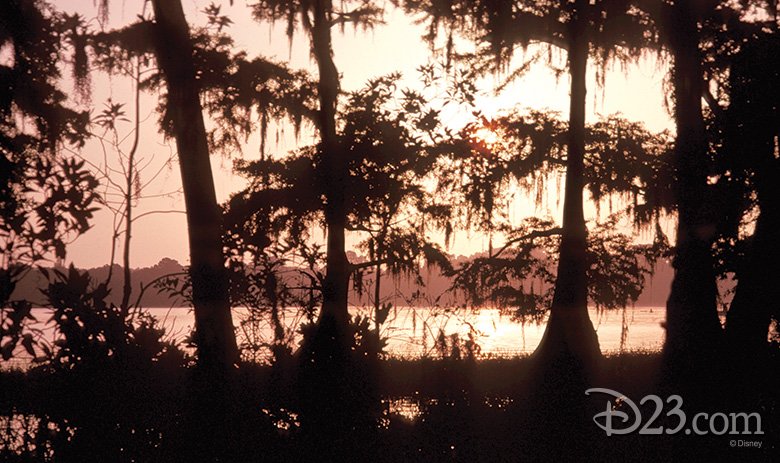
Source: Disney
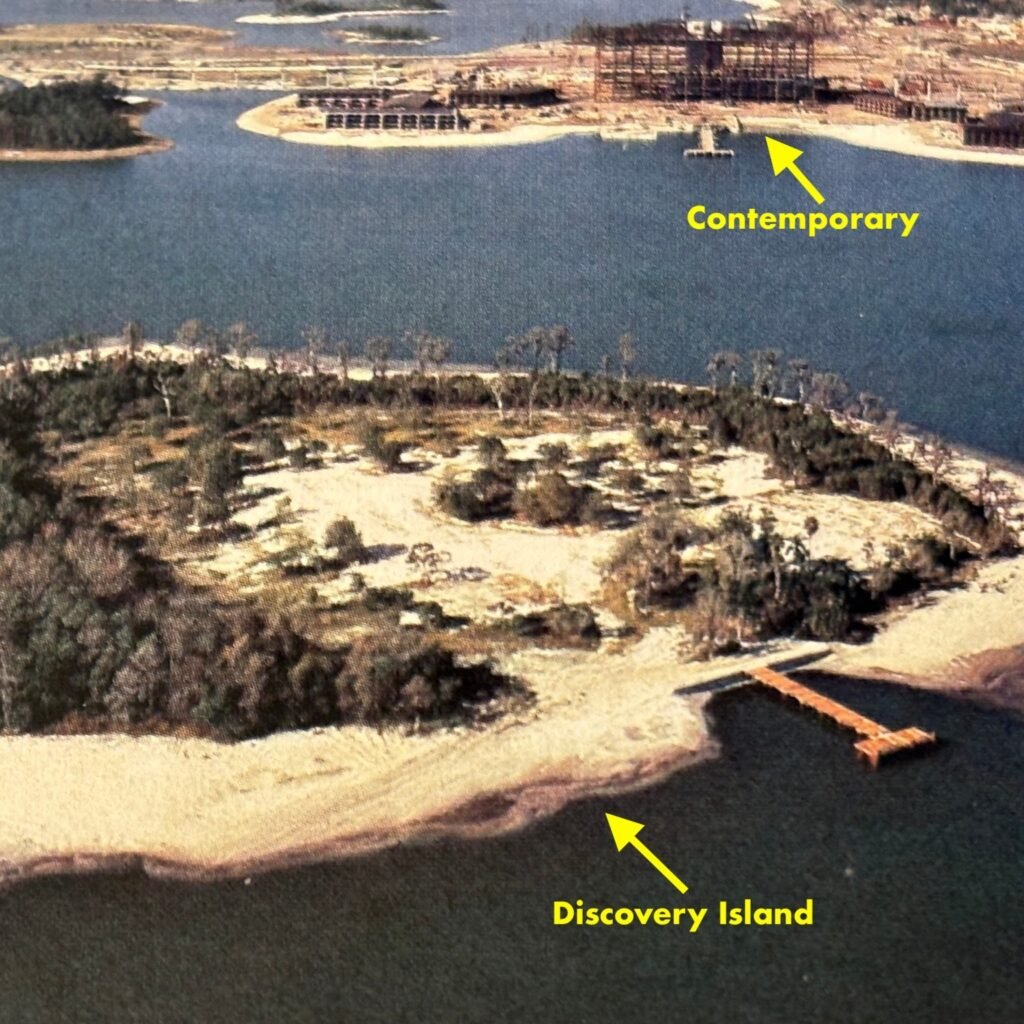
Source: Disney
As years progressed and the plans for Walt Disney World came to fruition, Disney’s vision truly came alive when the island was formally opened to the public as Treasure Island on April 8, 1974. This wild destination quickly gained a reputation among visitors for its unique charm and captivating atmosphere. Adventure seekers and families alike flocked to the island to explore its trails, engage with the captivating wildlife, and bask in the beauty of its lush landscapes.
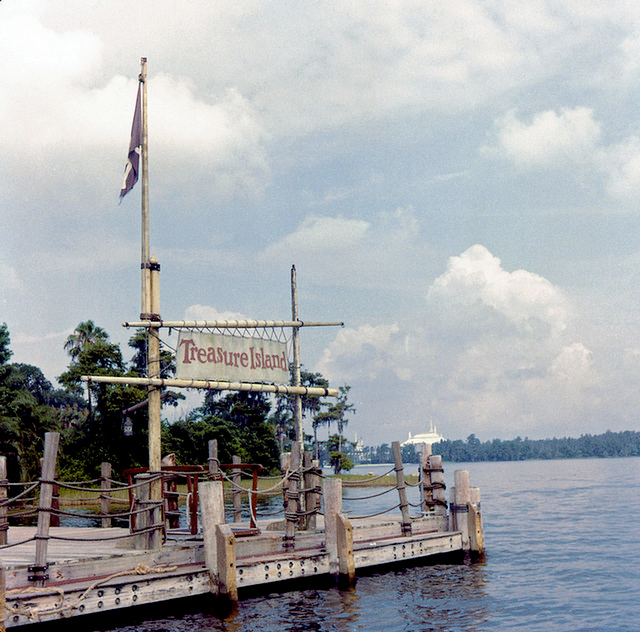
Source: All Ears
Treasure Island became a sanctuary for an impressive array of wildlife, hosting everything from exotic reptiles to various species of birds. The blend of nature and entertainment fostered an environment where visitors could both relax and embark on exciting adventures, making it an unforgettable addition to their Disney experience. Through the eyes of countless guests, it serves as a reminder of the whimsical adventures that began with a single, inspired flight over Bay Lake.
In 1977, in a significant move that reflected its ever-evolving identity and vision for the future, the island was renamed Discovery Island. This new name symbolized a renewed emphasis on exploration and adventure, inviting guests to embark on a journey of discovery into the world of wildlife and nature. The rebranding was not merely cosmetic; it marked a shift towards enhancing the educational experiences offered to guests, encouraging them to engage with the environment in meaningful ways.
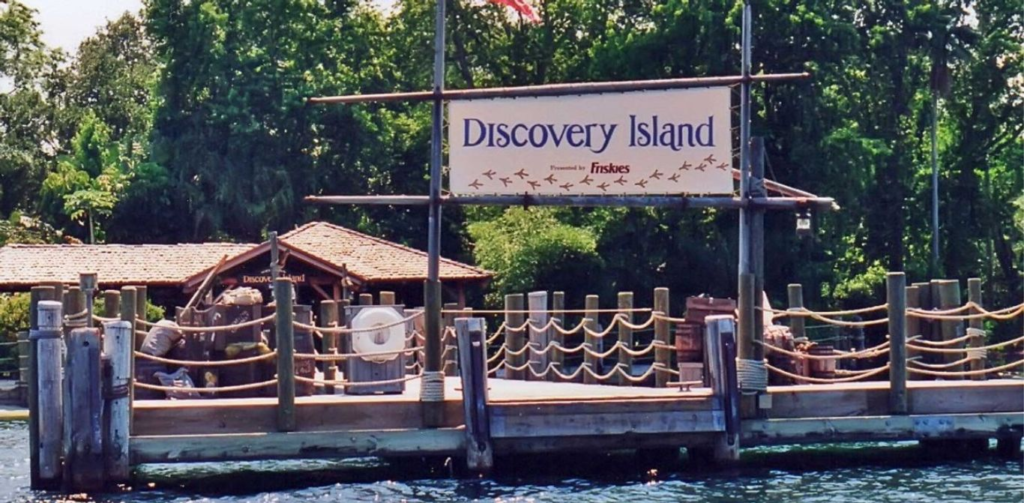
Source: Travel and Leisure
By 1981, Discovery Island had achieved an important milestone by receiving accreditation as a zoological park from the American Association of Zoological Parks and Aquariums, a testament to its unwavering commitment to the care and preservation of its diverse animal inhabitants and their habitats. This recognition underscored the island’s dedication to maintaining high standards of animal welfare, education, and conservation practices, further solidifying its role as a leader in wildlife preservation.
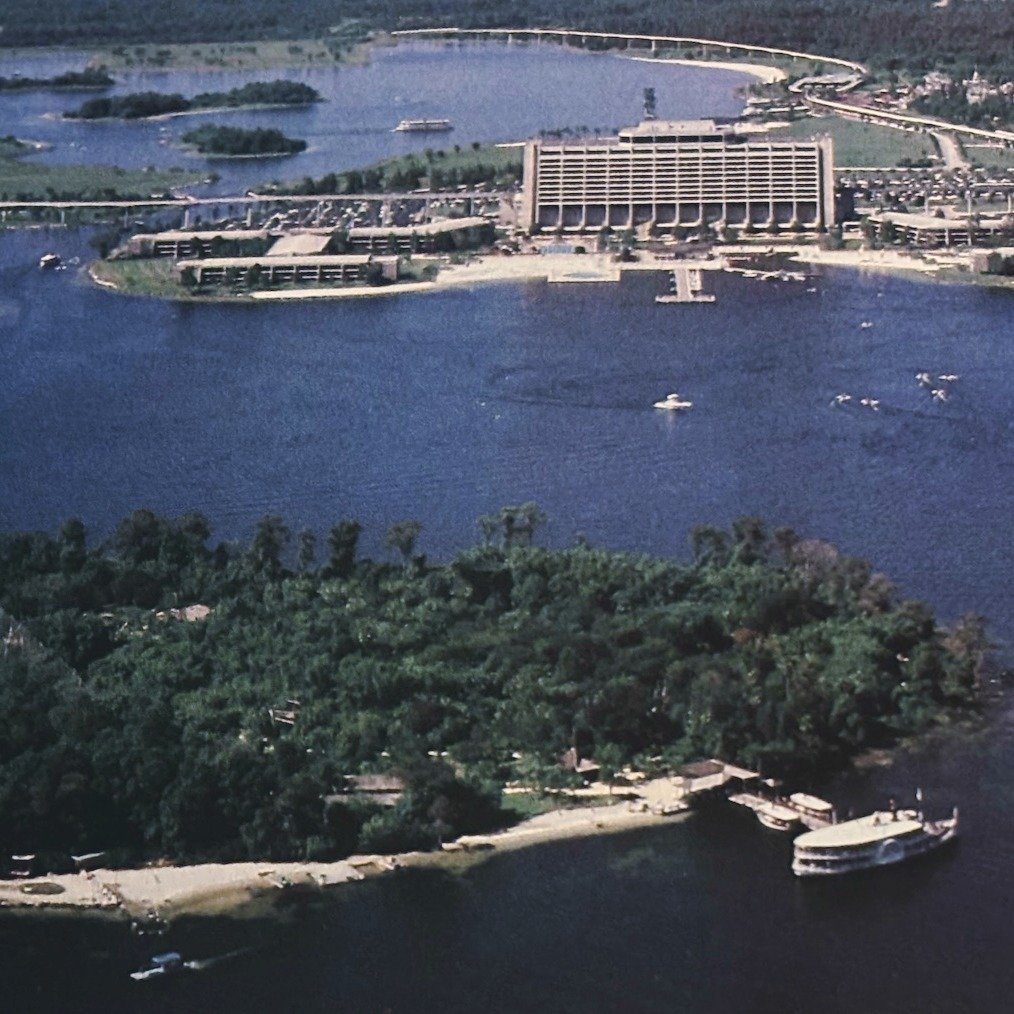
Source: Disney
Eventually, after 25 years of entertaining and educating guests, the iconic Discovery Island, owned by Disney, closed for the last time on April 8, 1999. Several factors contributed to its closure. Chief among them were declining attendance numbers and the opening of Disney’s Animal Kingdom in 1998.
This new theme park not only offered guests a more immersive experience with enhanced facilities for animal care but also showcased a broader range of wildlife and habitats, which ultimately overshadowed the appeal of Discovery Island. As part of the transition, most of the island’s wildlife was meticulously relocated to Disney’s Animal Kingdom, ensuring that the animals continued to receive the best possible care in a more modern environment.
In a heartfelt tribute to the history and significance of Discovery Island, the central hub of Disney’s Animal Kingdom underwent a thoughtful name change from Safari Village to Discovery Island. This gesture maintained a connection to the past, ensuring that visitors would remember the unique experiences that characterized Discovery Island. By preserving the name, Disney celebrated the memories shared by families who explored the island’s lush landscapes and learned about wildlife conservation.
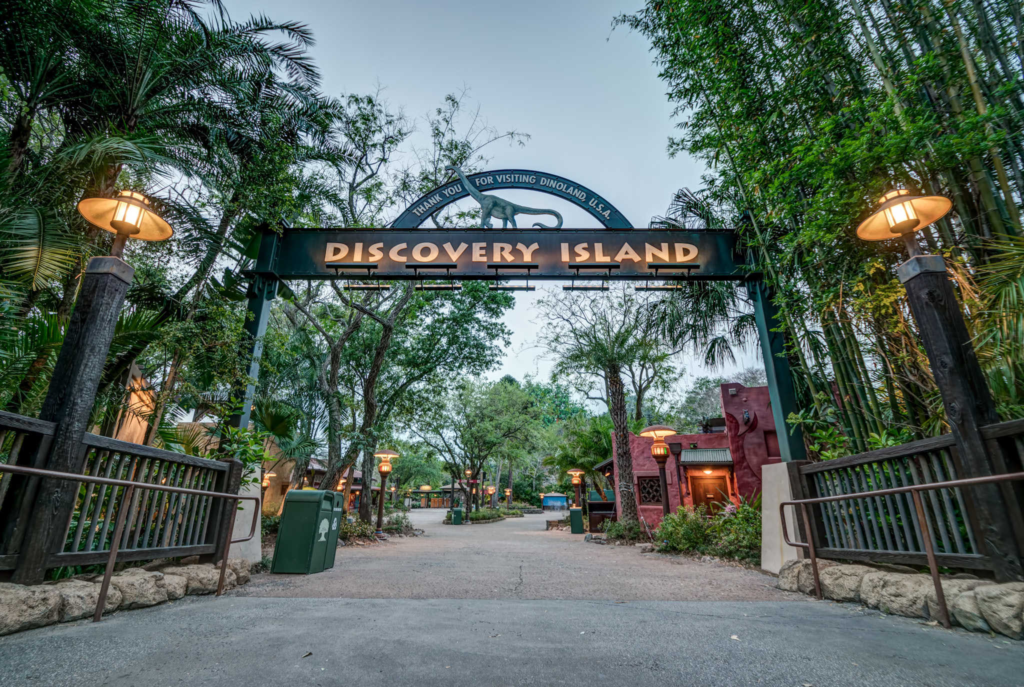
Source: Orlando Informer
The original Discovery Island may no longer welcome guests, but its spirit continues to resonate through the educational programs and conservation efforts that remain a cornerstone of Disney’s commitment to wildlife. Had there been no Riles Island in Bay Lake during the 1960s, it is uncertain whether Walt Disney would have selected this specific property for his next big project, which ultimately became the iconic Walt Disney World.
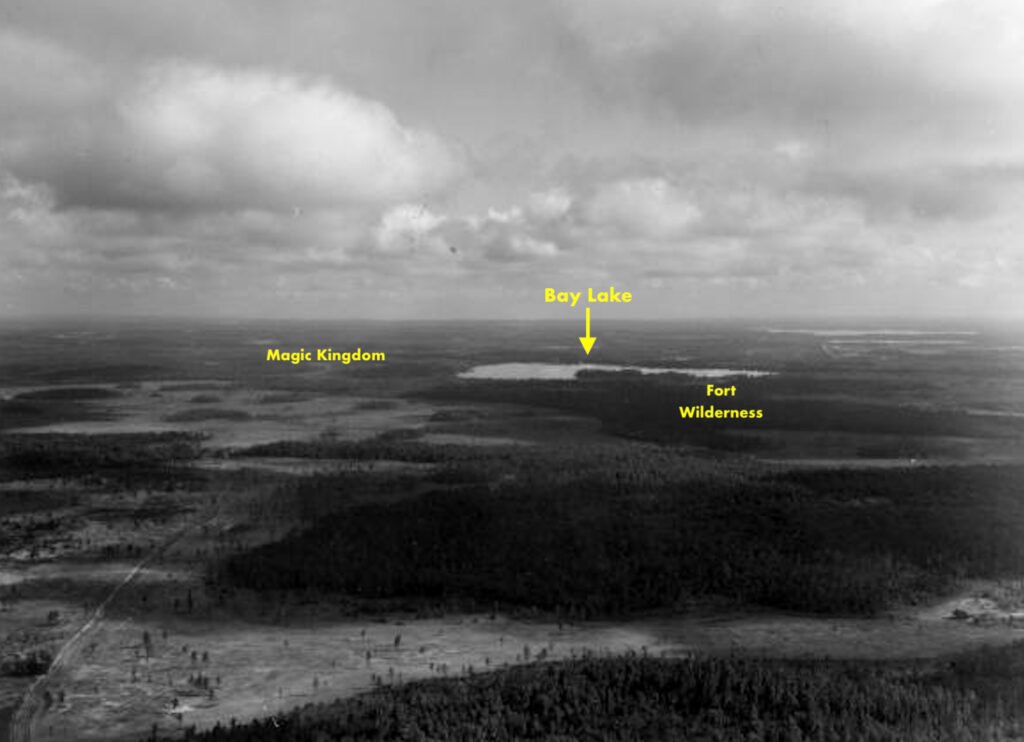
Source: State Archives of Florida
Guests visiting Discovery Island were able to engage with nature in a way that was both entertaining and educational, fostering a deep appreciation for the diverse ecosystems of Florida. This legacy continues to resonate today, as Walt Disney World remains a leader in conservation efforts and environmental education, inspiring countless guests to cherish and protect the natural world.
The intertwining stories of Discovery Island’s various names and owners over the past 100+ years capture the spirit of exploration, adventure, and change that characterize Walt Disney World and the state of Florida itself. From its early days, the island was a reflection of the region’s vibrant history, rich with tales of pioneers, adventurers, and visionaries who saw the potential for transformation in this lush landscape. Each chapter of Discovery Island’s history adds depth to the overarching narrative of creativity and innovation that defines Disney’s legacy. The names of all the owners are listed below.
Plant (1884) – Lackey – Keen – Riles – Reams – Geer – Rollins – Nicholson – Thomason – Bay Isle Club – Disney (1965)
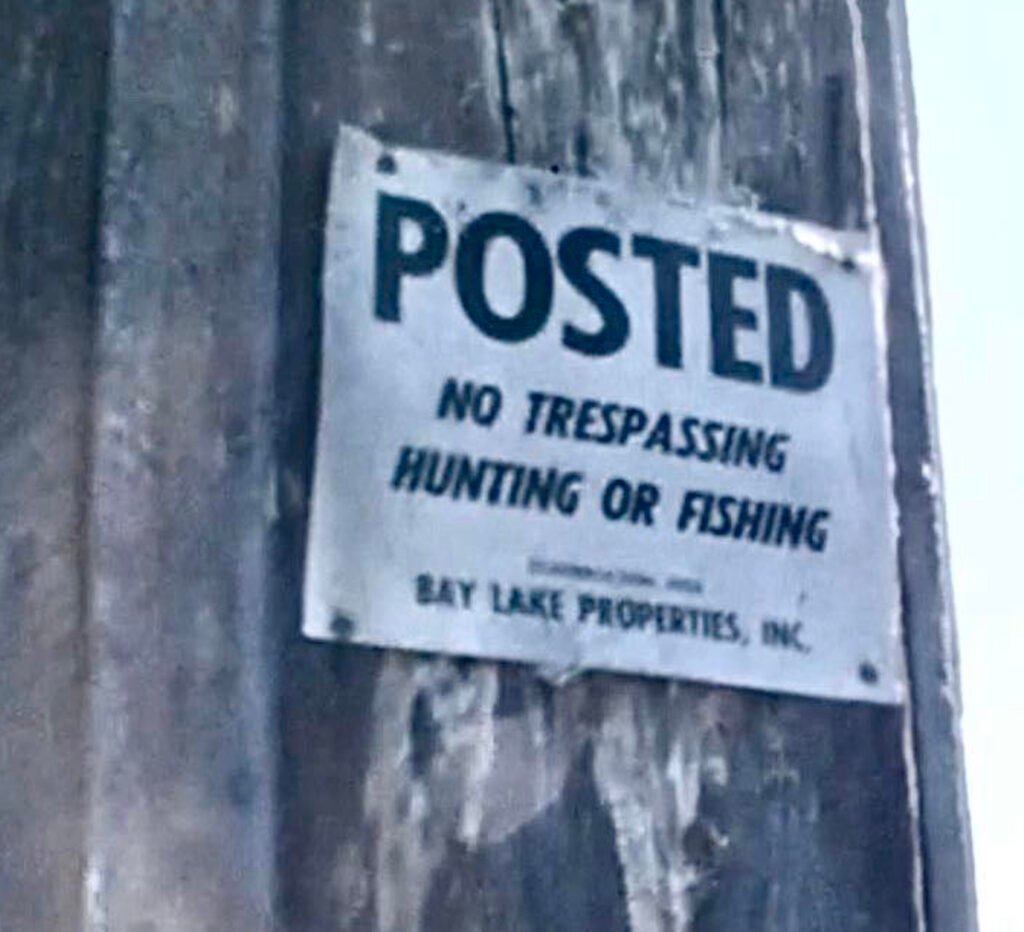
After Disney’s acquisition in 1965, signs began appearing on the property indicating that it was now Disney’s land. Bay Lake Properties Inc. was one of the internal “companies” created by Disney to purchase several parcels of land during this acquisition.
As guests explore the many attractions and experiences that Walt Disney World has to offer, the essence of Discovery Island still lingers in the air, reminding us of the interconnection of human imagination and the natural world. For those fortunate enough to have visited Discovery Island during its operational days, it remains a cherished memory, a symbol of the adventurous spirit that invites everyone to experience the magic of Walt Disney World and the captivating beauty of Florida. Discovery Island’s narrative, though closed, still inspires a sense of wonder and curiosity, motivating future generations to continue exploring and appreciating the extraordinary environments around them.
The Walt Disney Company holds the record for being the longest tenured owner of the former Discovery Island. The legacy of Discovery Island endures as part of the broader narrative of Disney’s connection to the picturesque Bay Lake area, underscoring the profound impact on the region and its ongoing stewardship of the land.

Thank you for visiting WDW Connection! Please be sure to follow us on Facebook and YouTube for an array of stories, Imagineer interviews, and stunning construction photos that showcase the rich history, meticulous planning, and spectacular development of Walt Disney World.
The WDW Connection Show podcast welcomes you to enjoy informative conversations about the history and planning of Walt Disney World and its attractions. Join Mike, the host of The WDW Connection Show, as he has in-depth discussions with former Imagineers, Cast Members, and other significant people associated with Walt Disney World and the Disney brand. You can find the video component of the show on YouTube and Facebook, and the audio component of the podcast on Apple Podcasts, Spotify, and YouTube Podcasts.
We sincerely appreciate the fantastic support from our WDW Connection community and loyal podcast listeners. If you could please take a moment to rate and review our new podcast on Apple Podcasts and Spotify it would mean the world to us! Your feedback will help more people find and enjoy our engaging and insightful conversations. Thanks for your support!
If we can dream it, we really can do it – And that’s the most exciting part! – Horizons at Epcot