
What It Takes to Build an Imagineering Career
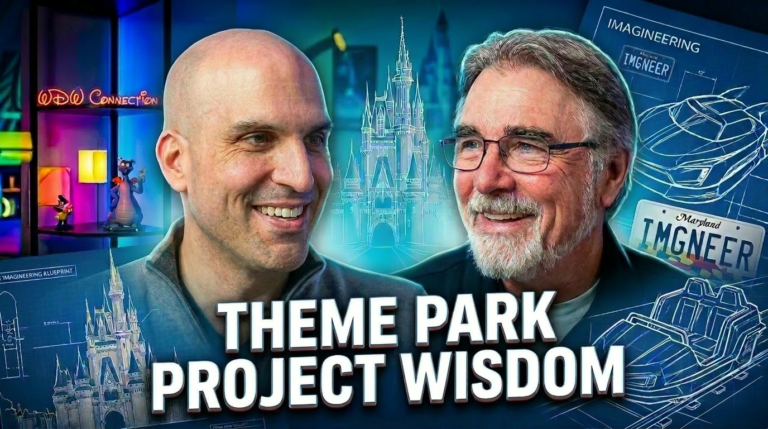
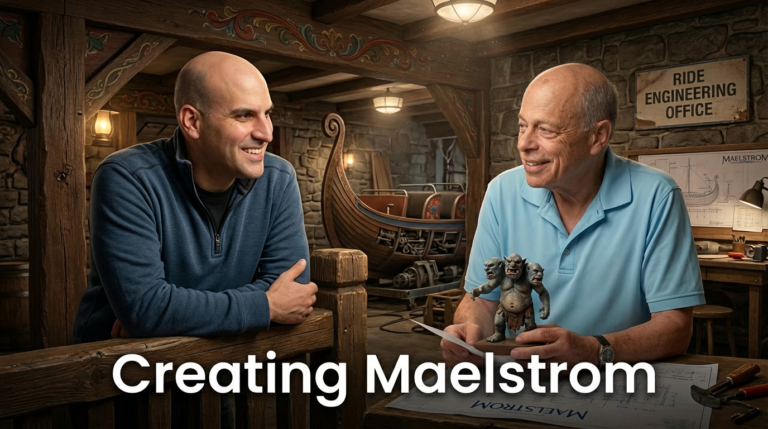
An Imagineering career path rarely follows a straight line. In a conversation on WDW Connection’s Project Horizons podcast, former Imagineer Val Usle reflected on a career spanning more than 40 years at Imagineering, with shared practical lessons for people who want to enter the industry, grow into leadership and help bring ambitious projects to life.
His stories, including lessons explored in his book Theme Park Project Wisdom, point to a recurring idea: strong careers are built through curiosity, adaptability, sound judgment and trust. Val Usle’s book and his other books can be purchased on Amazon at the provided link below.


Getting Your Foot in the Door – The Path to an Imagineering Career
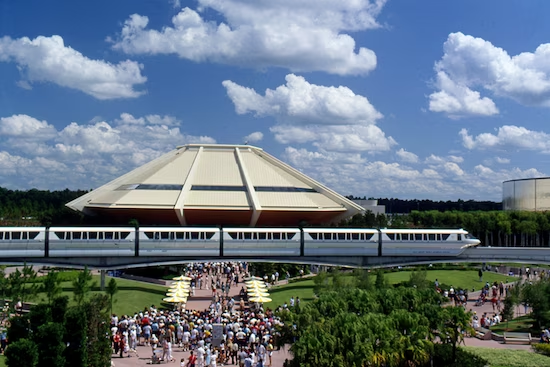
Val’s interest in Imagineering began early. As a kid, he watched Walt Disney’s television shows and was captivated by the Epcot model at Disneyland. That experience gave him a goal: become an architect and help build what he had seen. He was willing to start wherever there was an opening – even driving the monorail – because he saw the job as a way to build a record that could help him move toward Imagineering.
Eventually, an entry-level role writing project scopes gave him that opportunity. His path, he stressed, was his own. There isn’t a single route into themed entertainment.
Early in his Imagineering career, Val learned to take on work beyond a narrow job description. On large projects, he said, priorities shift and teams need people who can fill gaps. He worked across responsibilities, including project management and shipping coordination, and credited that flexibility with helping him contribute through periods when staffing changed. Being adaptable also means being willing to learn from the people around you.
Judgment, Discovery and Risk During Your Imagineering Career
Theme park projects involve uncertainty. Val described the familiar pressures of scope, quality, schedule and budget, but said they don’t remain neatly balanced throughout a project. New information, changing conditions and unexpected costs can shift the plan.
For him, the central question was not simply how to protect a schedule or budget. It was: What do we need to do to get it right? A project should be willing to take creative risks, he argued, while keeping safety for guests and cast members as the priority.
Build Trust Across The Team
Large projects bring together people with different expertise, and they can spend more time working together than they do with their families. That makes trust more than a nice extra: it helps teams raise problems early, listen carefully and move toward solutions.
Val described project teams as temporary communities. People may move on when a project ends, but relationships built through honest communication and shared problem-solving can last. As a leader, he tried to hear concerns without assuming every issue was a crisis, and to work out whether a team needed time, money, help or a decision from someone higher up.
His advice to aspiring professionals was equally direct. Be a truth teller. It may be uncomfortable to deliver bad news, but hiding it can do more damage to trust.

Photo Source: Disney
Prepare to Show How You Can Contribute to an Imagineering Career
When hiring those for a future Imagineering career, Val looked for candidates who showed genuine interest in the work and could demonstrate their effort. He contrasted a candidate who arrived unprepared with one whose portfolio showed visible progress and practice. The difference, in his view, was evidence of commitment and potential.
For students and early-career professionals, that means doing the work before the interview. Learn about the organization, understand what it makes and bring examples that show what you can contribute. Val also encouraged designers to use AI as a tool and a point of comparison, not as a substitute for their own work. His challenge was to identify what a machine can do, then develop the human skills it can’t replace, such as mentoring and negotiation.
Work experience doesn’t have to begin after college, and it doesn’t have to be in your dream field. Stay curious, make yourself useful, ask for help before you burn out, learn from people with different expertise and earn the trust of your team. There may be no single path into an Imagineering career, but those habits can help prepare you for the opportunities that come along.
Special thanks to former Walt Disney Imagineer Val Usle for joining us on WDW Connection’s Project Horizons podcast and sharing your perspective on paths to an Imagineering career. Your reflections on curiosity, adaptability, and trust offer valuable lessons for anyone hoping to bring creative projects to life.

Project Horizons Podcast
WDW Connection’s Project Horizons podcast welcomes you to enjoy informative conversations about the history and planning of Walt Disney World and its attractions. Join Mike, the host of Project Horizons, as he has in-depth discussions with former Imagineers, Cast Members, and other significant people associated with Walt Disney World and the Disney brand. You can find the video component of the show on YouTube and Facebook, and the audio component of the podcast on Apple Podcasts, Spotify, and YouTube Podcasts.
We sincerely appreciate the fantastic support from our WDW Connection community and loyal podcast listeners. If you could please take a moment to rate and review the Project Horizons podcast on Apple Podcasts and Spotify it would be much appreciated. Your feedback will help more people find and enjoy our engaging and insightful conversations. Thanks so much!